
Topics for IGCSE Biology
1 Characteristics and classification of living organisms.
Characteristics of living organisms.
Classification systems.
Features of organisms
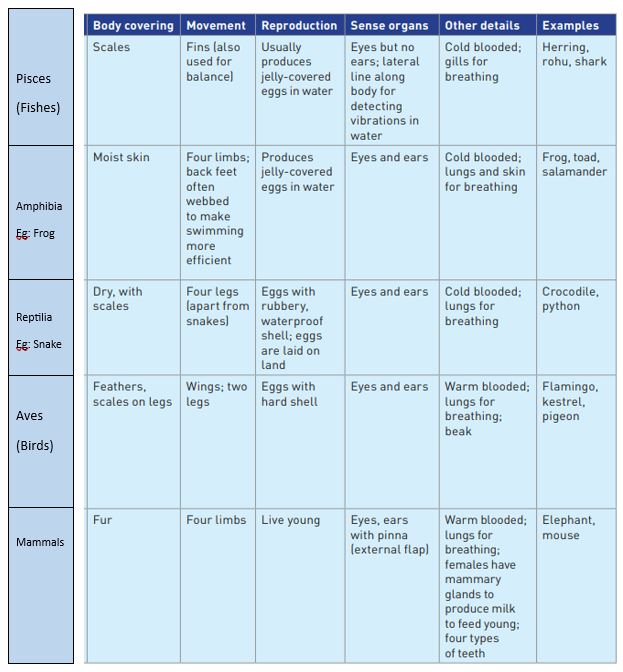
2 Organisation of the organism
Cell structure and organisation
Size of specimens.
3 Movement into and out of cells
Diffusion
Osmosis
Active transport.
4 Biological molecules
Biological molecules
Structure of DNA.
5 Enzymes
Enzyme action.
6 Plant nutrition
Photosynthesis
Mineral requirements
Leaf structure.
7 Human nutrition
Diet
Digestive system
Physical digestion
Chemical digestion
Absorption.
8 Transport in plants
Xylem and phloem
Leaf, stem and root structure
Water uptake
Transpiration
Translocation.
9 Transport in animals
Circulatory systems
Heart
Blood vessels
Blood
10 Diseases and immunity
Pathogens and transmission
Defences against disease.
11 Gas exchange in humans
Gas exchange in humans.
12 Respiration
Respiration
Aerobic respiration
Anaerobic respiration.
13 Excretion in humans
Excretion.
14 Coordination and response
Coordination and response
Nervous control in humans
Hormones
Homeostasis
Tropic responses.
15 Drugs
Drugs
16 Reproduction
Asexual reproduction
Sexual reproduction
Sexual reproduction in plants
Sexual reproduction in humans
Sexual hormones in humans
Sexually transmitted infections.
17 Inheritance
Chromosomes, genes and proteins.
Mitosis
Meiosis
Monohybrid inheritance.
18 Variation and selection
Variation
Adaptive features
Selection.
19 Organisms and their environment
Energy flow
Food chains and food webs
Nutrient cycles
Populations
20 Human influences on ecosystems
Food supply
Habitat destruction
Pollution
Conservation.
21 Biotechnology and genetic modification:
Biotechnology and genetic modification.
Biotechnology.
Genetic modification.
Learning points in Biotechnology and modification for Examination
Biotechnology is the use of living organisms, cells, and biological systems to develop products and technologies for human welfare.
➤ Key Areas of Biotechnology:
- Microbial biotechnology – Use of microorganisms (e.g., E. coli, yeast) for making insulin, antibiotics, enzymes.
- Agricultural biotechnology – Enhancing crop yield, disease resistance (e.g., Bt cotton).
- Industrial biotechnology – Using enzymes in detergents, food processing.
- Medical biotechnology – Development of vaccines, gene therapy, diagnostic tools.
➤ Processes Involved in Biotechnology:
Fermentation
Recombinant DNA technology
Use of bioreactors
Enzyme technology
➤ Applications of Biotechnology:
- Production of human insulin-Humulin
- Biodegradable plastics
-Production of novel organisms- plants and animals (Genetically modified) - Biofuels
🧬 Genetic Modification (GM)
➤ Definition:
Genetic modification/Genetic engineering is the technique of altering the genetic material of an organism to introduce desired traits. Such organisms are called Transgenic organisms
➤ Steps in Genetic Engineering:
(i) Identification of the gene of interest(desirable gene).
(ii) Introduction of the identified DNA into a target/host cell,
(iii) Maintenance of the introduced DNA in the host and transfer of the DNA to its progeny.
Roadmap to Excel in IGCSE Biology Examination 2025

Tips to excel in the IGCSE Biology Examination
1. Understand the Exam Format
As given in the table, the IGCSE Biology Exam includes multiple-choice questions, structured questions, practical papers, and alternative to practical exams.
Familiarize yourself with marking schemes and common question patterns by reviewing past papers.
2. Master Key Concepts
Focus on understanding biological processes, structures, and systems, instead of just memorizing facts.
Ensure clarity in topics like cell biology, genetics, human physiology, ecosystems, and evolution.
Use graphic organizers such as concept maps and flowcharts to visualize complex ideas.
3. Develop Effective Study Techniques
– Use active recall methods: quiz yourself instead of passively reading.
Apply the Pomodoro technique (study in focused 25–30 minute sessions with short breaks).
– Revise using past exam papers to recognize common question types.
4. Improve Application and Analytical Skills
Many questions require interpretation of data , diagrams, and experimental results.
Practice analyzing graph trends, tables, and experimental setups .
Work on structured answers that include key points relevant to the question.
5. Strengthen Practical and Experimental Knowledge
If your school includes a lab-based practical , ensure you are confident with microscopy, enzyme activity, osmosis experiments, and food tests .
If you have an Alternative to Practical Paper , revise experiment-based questions using past papers.
6. Use Resources Wisely
Study from IGCSE Biology textbooks like Cambridge IGCSE Biology (Mary Jones & Geoff Jones) .
Refer to online platforms such as BBC Bitesize , Save My Exams , or YouTube tutorials for explanations and diagrams.
7. Perfect Your Exam Technique
Read instructions carefully, especially for data interpretation and extended response questions.
Use clear, concise language when answering questions—avoid overly detailed explanations that go beyond the syllabus requirements.
Manage your time wisely: dedicate appropriate minutes per question based on mark allocation.
8. Stay Consistent and Healthy
Develop a structured revision timetable with enough time for review and breaks.
Stay mentally and physically healthy: exercise, eat well, and get enough sleep .
Practice stress-management techniques like deep breathing or meditation before exams.
9. Practice makes perfect
Nothing like consistent practice of examinations! It builds confidence and mastery in the subject.
Resources for practice Exams: Websites like Cambridge Past Papers, IGCSE Study Guides, and Quizlet. They provide quizzes and study tools.
You can self-grade the exam using official mark schemes or take/send it to your instructor for evaluation and feedback.

 Explore the World of Life Sciences