
Top concepts for IGCSE Biology Examination 2025
- Human Influences on the Ecosystem
- Pollution (air, water, land) and its effects on ecosystems.
- Conservation strategies (reforestation, habitat protection, waste management).
- Impact of human activities on biodiversity.
- Human actions affect the environment, leading to climate change and species loss.
- Example: Deforestation in the Amazon disrupts biodiversity and carbon balance.
- Sustainable agriculture, afforestation programs, pollution control measures.
🌿 2. Reproduction - Sexual vs. asexual reproduction.
-Reproductive systems in humans and plants. - Fertilization, pregnancy, and embryonic development.
- Essential for species survival and genetic diversity.
- Example for ecosystem services: Pollination by bees helps plants reproduce.
- IVF technology, genetic research, crop breeding programs.
🧠 3. Coordination and Response - Nervous system (neurons, reflex arcs).
- Hormonal control (endocrine system).
- Homeostasis (temperature and water regulation).
- 4. Human Nutrition
- Components of a balanced diet.
- Digestive system and enzyme action.
- Deficiency diseases and their prevention.
- Poor nutrition leads to diseases like anemia and scurvy.
- Example: Vitamin C deficiency leads to scurvy.
- Nutrition planning, development of dietary supplements.
- 5. Organisms and Their Environment
- Ecosystem structure and energy transfer.
- Food chains and trophic levels.
- Factors affecting population growth.
- Understanding ecological relationships helps conservation efforts.
- Example: Removal of predators disrupts food chain balance.
- Wildlife protection programs, rewilding projects.
- 6. Animal Transport
- Heart structure and function.
- Blood circulation and gas exchange.
- Role of blood components (red & white cells, platelets, plasma).
- Essential for nutrient and oxygen distribution in the body.
- Example: High cholesterol affects heart health.
- Blood transfusions, cardiovascular disease prevention.
🌱 7. Plant Nutrition - Photosynthesis process and factors affecting it.
- Transport systems in plants (xylem, phloem).
- Importance of minerals for plant growth.
- Enables plants to produce food, supporting life on Earth.
- Example: Nitrogen deficiency leads to poor plant growth.
- Hydroponics, agricultural fertilizers.
🧬 8. Variation and Selection - Genetic variation and mutations.
- Natural selection and survival of the fittest.
- Artificial selection and selective breeding.
- Explains how species evolve over time.
- Example: Peppered moth evolution due to industrial pollution.
- Developing disease-resistant crops, animal breeding for traits.
🧪 9. Inheritance - DNA structure and function.
- Genetic crosses and Mendelian inheritance.
- Dominant vs. recessive traits.
- Determines physical characteristics and inherited diseases.
- Example: Sickle cell anemia is inherited through genes.
- Genetic counseling, gene therapy.
🔬 10. Biotechnology and Genetic Modification - Principles of genetic engineering.
- Uses of biotechnology in medicine and agriculture.
- Ethical concerns surrounding GMOs.
- Improves food production and medical treatments.
- Example: Insulin production using genetically modified bacteria.
- GMO crops, cloning technology, vaccine development.
🦠 11. Diseases and Immunity - Types of pathogens and diseases they cause.
- Body defenses (skin, white blood cells, vaccines).
- Role of antibiotics and resistance.
- Helps fight infections and prevent outbreaks.
- Example: COVID-19 vaccines boost immune response.
🦠
12. Cell Structure & Function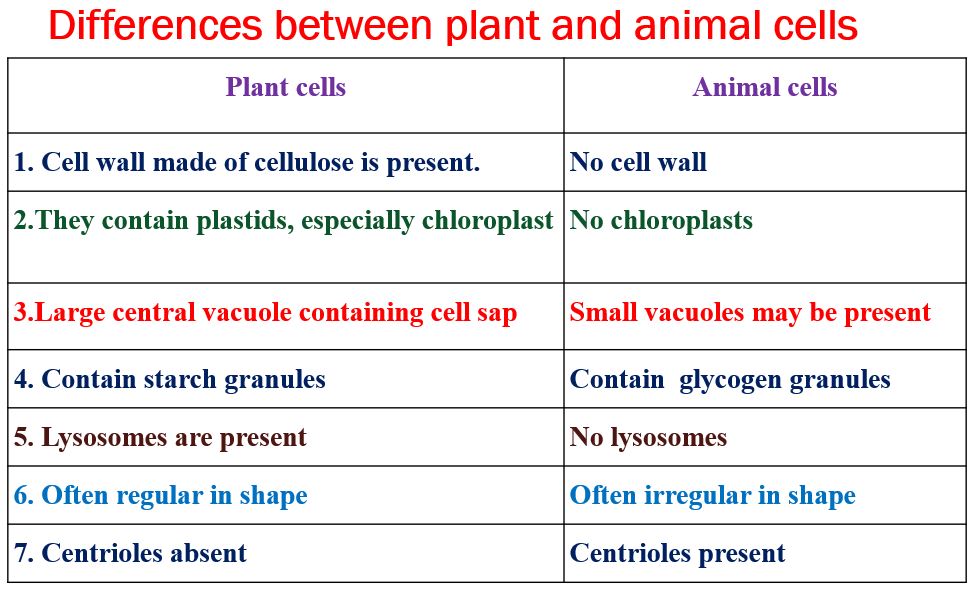
- Prokaryotic vs. eukaryotic cells.
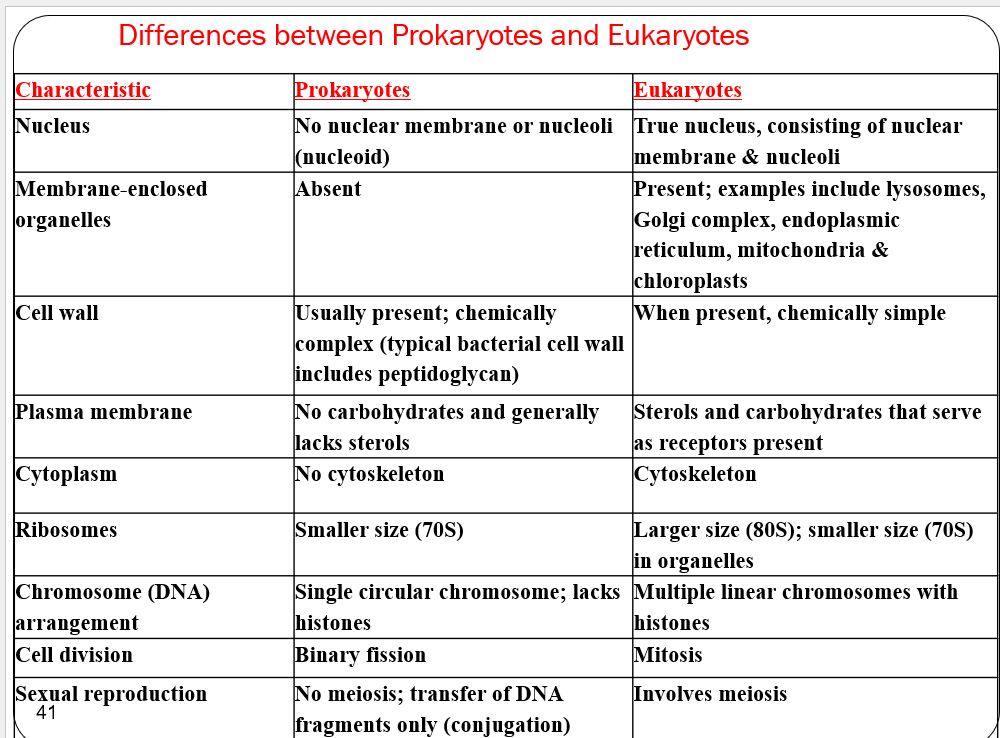
- Functions of organelles (nucleus, mitochondria, chloroplasts, ribosomes).
- Differences between animal and plant cells.
The nucleus controls cellular functions via DNA.
💧13 . Water & Its Role in Living Organisms
- Properties of water (solvent, cohesion, high heat capacity).
- Role in transport, digestion, and metabolic processes.
- Importance of osmosis and diffusion: exchange & Transport of gases,etc..

 Explore the World of Life Sciences